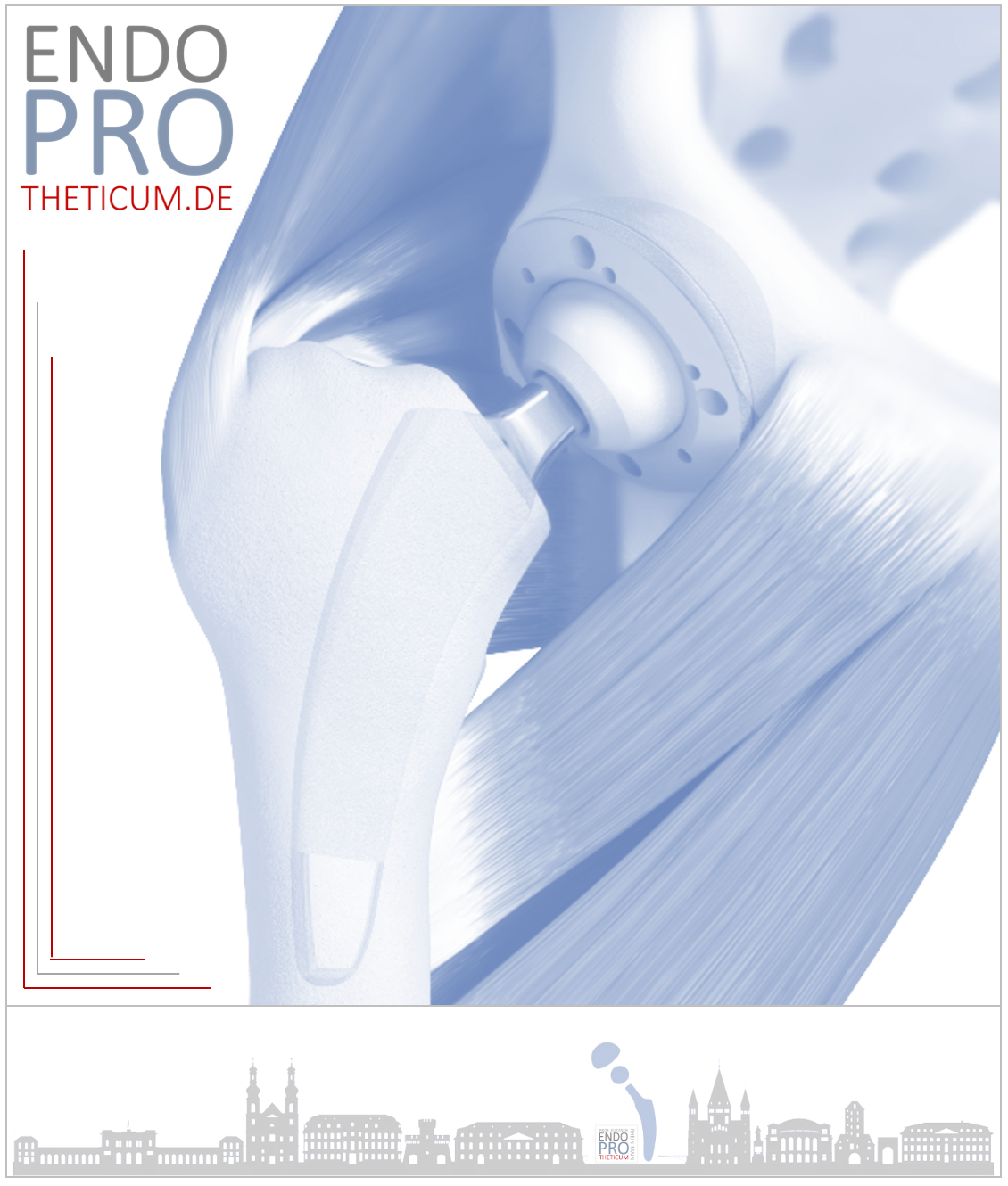
Artificial hip joint: What to do in case of leg length discrepancy?
Instability or leg length discrepancy: The balancing act in hip surgery (hip replacement)

The use of an artificial hip joint is a proven method to alleviate pain and regain mobility. Nevertheless, complications occasionally occur that complicate recovery. A frequently discussed consequence is leg length discrepancy. This blog highlights the causes of such discrepancies and provides an overview of preventive measures and treatment options. It also explains the unstable hip prosthesis - an opposing problem - and its connection to leg length discrepancy in more detail.
What is a leg length discrepancy after a artificial hip joint?
Leg length differences occur when one leg appears optically or functionally lengthened or shortened compared to the other due to the implantation of a hip prosthesis. Even a difference of a few millimeters can be noticeable for those affected and lead to complaints. It arises either due to biomechanical reasons, surgical decisions or incorrect implantation.
Causes of leg length discrepancies
1. Surgical reasons:
A leg length discrepancy can arise from the intention to stabilize an unstable hip joint. Doctors often choose a longer prosthesis to increase the tension of the soft tissues. This serves to provide stability, but can inevitably lead to a discrepancy.
2. Errors in preoperative planning:
Imprecise or inadequate X-rays lead to the fact that the exact compensation of the hip axis is not implemented correctly. Digital preoperative planning methods, however, have significantly improved this aspect.
3. Soft tissue tension:
The natural soft tissues, muscles, and tendons must be correctly positioned after surgery. A joint that is too tight or too loose affects the statics and can create the feeling of a difference.
4. Bony causes:
Pre-existing differences in bone alignment – such as due to arthrosis or deformities – increase the risk of a difference.
Instability and leg length difference: conflicting challenges
An unstable prosthesis and leg length discrepancy are two extremes that compete with each other.
Instability:
Instability can occur if the hip prosthesis is too loose. It increases the risk of luxation (hip dislocation) and creates uncertainty when walking. To avoid this, surgeons often choose a compromise by slightly lengthening the prosthesis.
Leg length discrepancy:
Excessive lengthening, in turn, leads to a difference. The balance between stable positioning and equal leg axis poses the greatest surgical challenge.
Prevention of leg length differences: preoperative digital planning
Scaled X-ray:
Digital preoperative planning uses scaled X-rays to analyze the hip anatomy with millimeter accuracy. Surgeons can thus determine exact stem positions and the required size of the implant.
3D models:
In addition, 3D models enable virtual simulation of the implantation. They help to identify potential differences in advance and compensate them in a targeted manner.
Simulation:
In modern clinics, simulations are now standard. Here, the expected hip mechanics are analyzed in the course of movement. This allows unwanted anatomical changes to be better avoided.
Therapeutic approaches for leg length difference after artificial hip joint
1. Physiotherapy and gait analysis:
Slight differences can be corrected through targeted physiotherapeutic measures. Gait analyses identify incorrect loads, which can then be individually adjusted.
2. Shoe adjustments:
Orthopedic insoles or shoe modifications compensate for discrepancies and ensure stability in everyday life.
3. Secondary operations:
Severe differences can be surgically corrected. An exchange or an adjustment of the prosthesis often brings the desired alignment.
4. Muscle building:
Through targeted muscle build-up, the tension around the prosthesis can be optimized, thereby compensating for differences.
Effects of a leg length difference on everyday life
Those affected often report complaints such as back and leg pain or uncertainty when walking. Uneven stress can also cause long-term damage to the joints and spine. Here, it becomes clear how important timely diagnosis and treatment are.
Conclusion: Why careful planning is crucial
Leg length discrepancies after a hip replacement can often be avoided through modern surgical methods, digital planning, and experienced surgeons. If a discrepancy still occurs, effective treatment options are available. In particular, specialized centers offer the best conditions to achieve an optimal result. An artificial hip joint not only improves quality of life but also restores mobility – provided that the implantation is carefully planned and implemented.
Make an Appointment?
You can easily make an appointment both by phoneand online .


ENDOPROTHETICUM - The whole world of endoprosthetics