The importance of the correct diagnosis: The first step to a successful knee replacement
Correct diagnosis is crucial for the success of knee replacement surgery
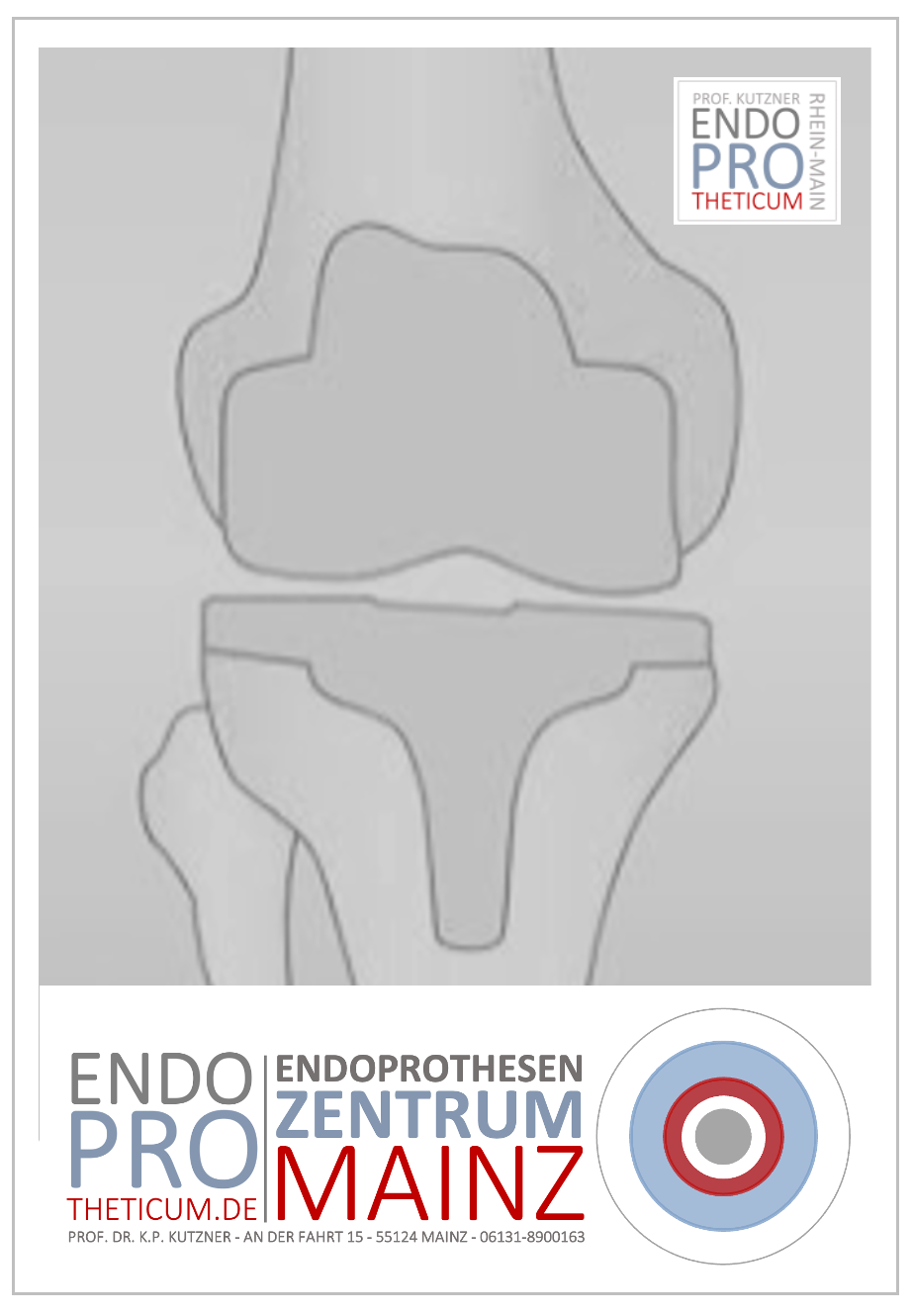
A successful knee replacement begins with the right diagnosis. Accurately identifying the condition of the knee joint is crucial to ensuring the best possible treatment and achieving long-term results. In this blog post, we'll explore the importance of a thorough diagnosis when preparing for a knee replacement and explain why it's the first step toward success.
The role of diagnosis
Accurate diagnosis plays a crucial role in knee replacement planning. It allows the surgeon to precisely assess the condition of the knee joint and determine whether a prosthesis is necessary. Incorrect diagnosis is one of the most common reasons for an unsatisfactory outcome. A thorough diagnosis also helps identify any underlying medical conditions that could compromise the success of the surgery.
Diagnostic procedures
Several diagnostic procedures can be used to assess knee osteoarthritis. These include imaging techniques such as X-rays, MRI scans, and CT scans, which can help evaluate the degree of cartilage wear and other structural changes in the knee joint. Additionally, clinical examinations, such as checking joint range of motion and specific orthopedic tests, can be performed to assess the functional status of the knee joint.
Importance of accuracy
An accurate diagnosis is crucial for the success of a knee replacement. It allows the surgeon to develop the correct treatment plan and ensure that the prosthesis is optimally positioned. An inaccurate diagnosis can lead to incorrect treatment decisions and increase the risk of complications during and after surgery.
Individual patient needs
Every patient is unique, and therefore it is important to consider individual needs and circumstances during diagnosis and treatment planning. A comprehensive understanding of the patient's medical history, symptoms, and functional limitations is crucial to ensuring a tailored treatment that offers the best chance of success.
Conclusion
A correct diagnosis is the first step towards a successful knee replacement. It lays the foundation for an effective treatment plan and offers the best chance for long-term pain relief and improved knee joint function. By working together and striving for an accurate diagnosis, patients and doctors can achieve the best possible results and improve their quality of life.
MAKE AN APPOINTMENT?
You are welcome to make an appointment either by phone or online .


ENDOPROTHETICUM - The whole world of endoprosthetics