
Riding to Hip-Tep: Safe back into the saddle with a modern hip prosthesis
Freedom on horseback while riding despite the hip prosthesis

Introduction – Riding after a hip replacement: Is that even possible?
Horse riding after a hip replacement was long considered taboo. Many patients thought the sport was too dangerous or too strenuous. But thanks to modern medical advances and new prosthesis technologies, nothing stands in the way of a relaxing ride today. This article tells you everything you need to know to safely get back in the saddle hip replacement – and why riding after a hip replacement is often even recommended these days.
This article will tell you:
- Why riding after a hip replacement is usually unproblematic today,
- What advantages do modern hip prostheses offer?
- How to safely get back on a horse, step by step,
- What you should pay attention to in the long term to protect your hip.
The fear of dislocations: Where it comes from
The biggest concern after a total hip replacement used to be the risk of dislocation – that is, the new ball of the joint popping out of the socket. This fear stems from a time when large surgical incisions and unstable prosthesis models were common. Today, the risk of dislocation has decreased significantly thanks to improved techniques and materials.
Many riders wish: to quickly return to their horses
For many riders, their horse more than just a hobby – it's a passion and a source of quality of life. Understandably, the desire to return to riding quickly after hip . Crucial to this is targeted preparation and a realistic assessment of one's physical capabilities.
Modern hip replacement: What has changed in recent years
Modern hip replacement surgery has made enormous progress in the last 15 years. This has significantly improved the prognosis for sporting activities such as horseback riding . New short-stem prostheses and minimally invasive surgical techniques have been particularly instrumental in this development.
Minimally invasive surgical techniques and faster healing
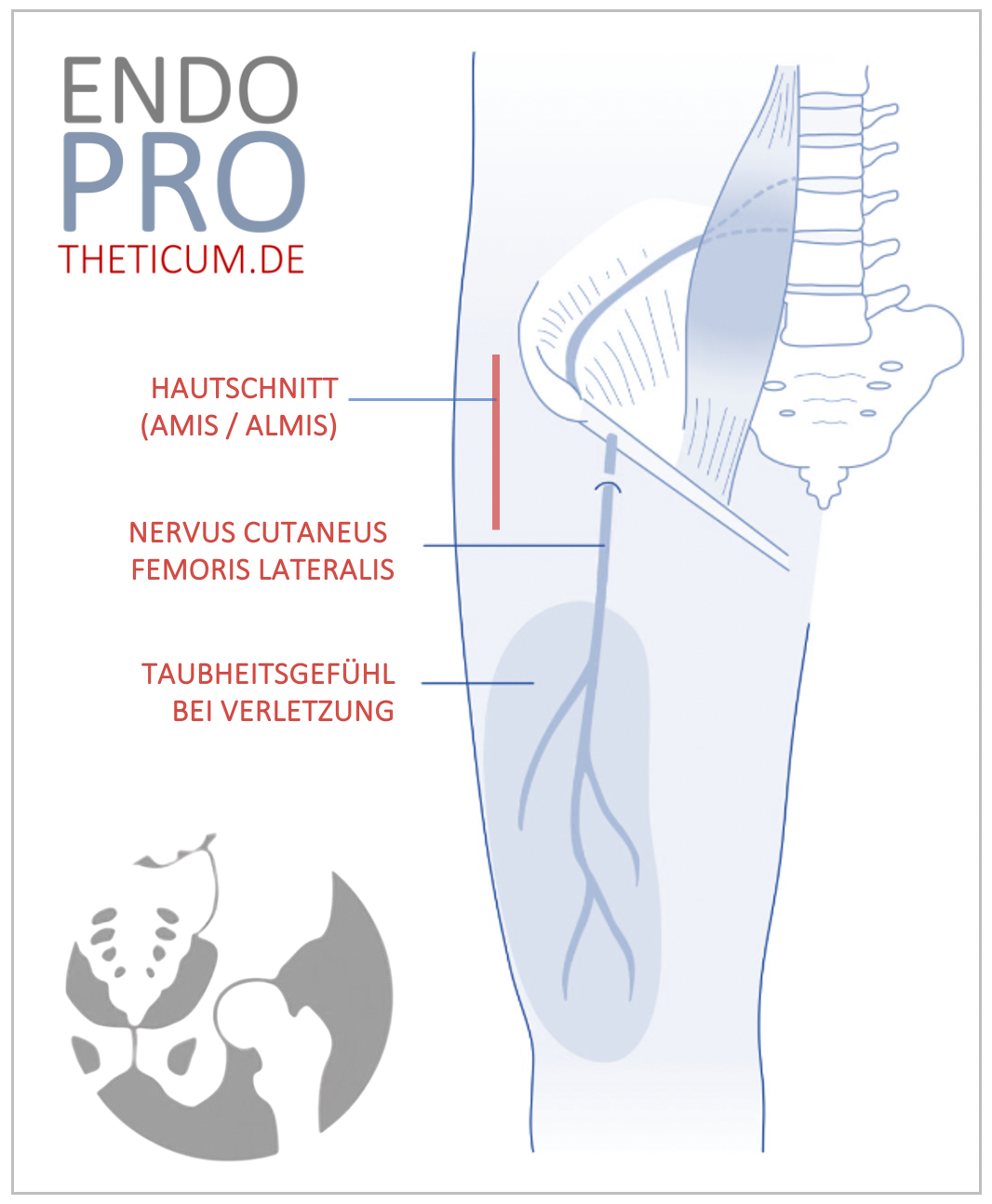
Minimally invasive surgical approaches protect the muscles and tissue around the hip. This results in faster healing, a lower risk of complications, and often a more stable fit for the new hip prosthesis . For riders, this means getting back in the saddle safely and quickly.
Short-stem prostheses: Why they are ideal for riders
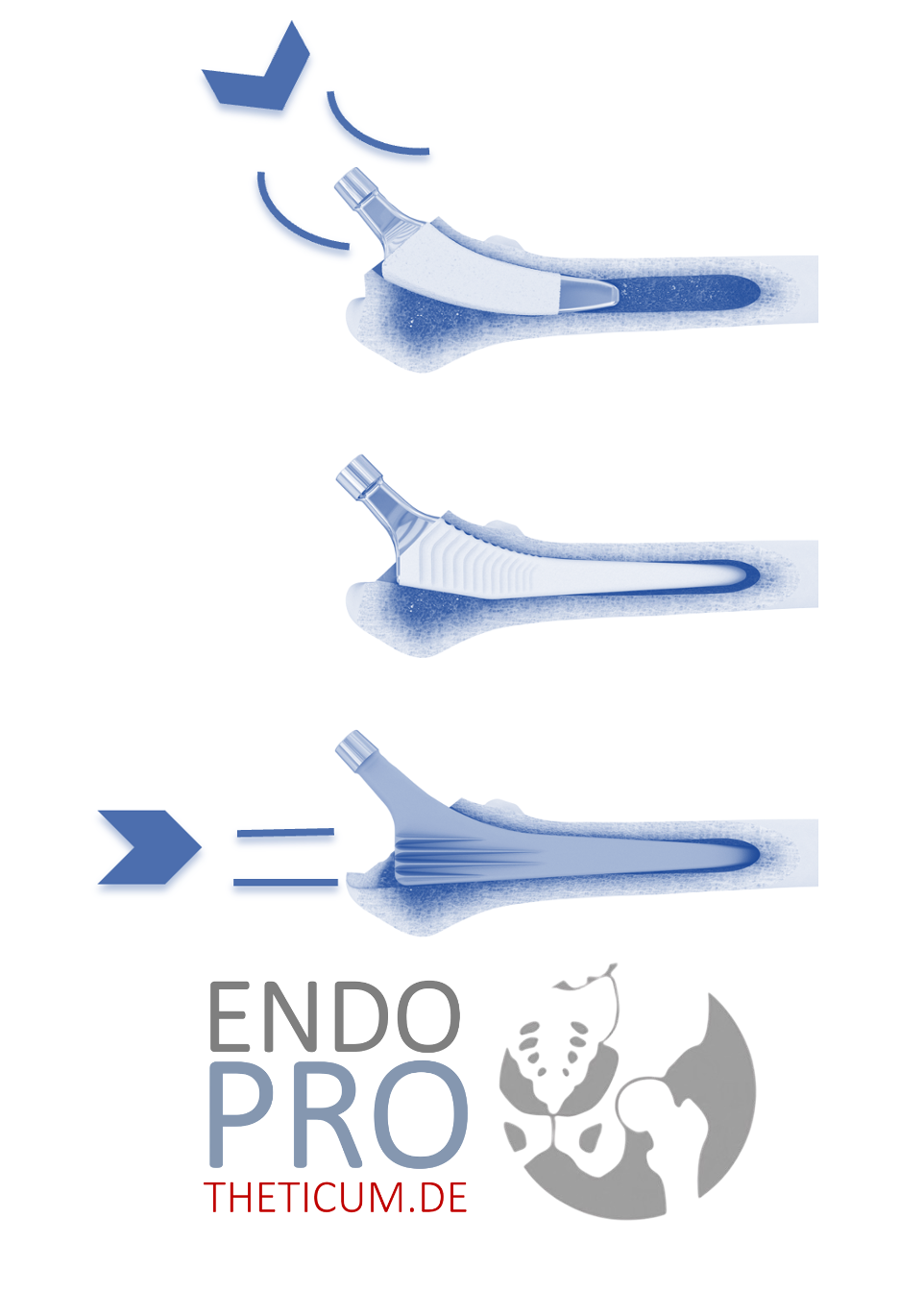
Short-stem prostheses are characterized by a bone-conserving anchoring in the femur. They offer high stability combined with good mobility – ideal for dynamic sports such as horseback riding . Furthermore, they allow for a more natural feeling of movement, which is particularly advantageous in the saddle.
Abrasion-resistant sliding pairings: Durability and safety
Modern bearing surfaces, such as ceramic-on-ceramic or highly cross-linked polyethylene, minimize wear and extend the lifespan of hip replacements . This allows riders to often remain active hip prosthesis
The biggest myths about riding after hip replacement
Many patients encounter outdated information regarding horseback riding after hip replacement . Here we debunk the most common myths.
Myth 1: Riding is forbidden after hip replacement
False. Riding is generally possible after successful implantation of a modern hip prosthesis – provided certain safety rules are observed and the muscles are specifically strengthened.
Myth 2: The risk of dislocation while riding is extremely high
Thanks to innovative surgical techniques and stable prostheses, the risk of dislocation is significantly lower today than in the past. Those who prepare well and listen to their bodies can ride safely.
Myth 3: Stress on the hip while riding damages the prosthesis
The strain involved in horseback riding is comparable to everyday activities like climbing stairs. With a stable, healed implant, horseback riding does not pose any particular risk to the hip replacement .
Medical assessment: Is horseback riding dangerous after hip replacement?
From a medical point of view, there are hardly any arguments against riding after a modern hip replacement – provided that the healing process was uncomplicated.
What risks really exist?
Of course, there is a residual risk of falls or overexertion. However, an individually tailored rehabilitation phase and a conscious approach significantly reduce these risks.
Why horseback riding is safer today than ever before
With modern prostheses, muscle- and tissue-sparing surgical techniques and better aftercare, riding safer today than ever after a hip replacement .
Study results: Hip stress during riding compared to everyday situations
Studies show that the stress on the hip joint is lower when riding than, for example, when jogging or intensive stair climbing. This clearly argues in favor of resuming equestrian sports.
The right time: When can I ride again?
When it is possible to return to riding after a hip replacement depends on the individual healing process and the doctor's assessment.
Understanding the healing phases after hip replacement
Rest is recommended in the first few weeks after surgery to ensure the prosthesis heals properly. After that, the level of activity can be gradually increased.
Criteria-based approval instead of rigid schedules
It is not just the time after the operation that counts, but rather whether muscle strength, mobility and coordination are restored.
Typical time windows for riders
Most patients are allowed riding – depending on the individual course and consultation with the doctor.
Step-by-step instructions: Back in the saddle with a hip replacement
a) The first weeks after surgery
- No riding immediately after surgery
- Focus on healing and physiotherapy exercises
- Walking, balance training, muscle building
b) After about 4-6 weeks
- Start with targeted sports training
- Using an exercise bike
- Stretching and mobilization exercises for the hips and back
c) After 2 months
- First attempts on horseback:
- Choose a calm horse
- Padded saddle
- Getting on and off with assistance (steps or climbing aids)
- Riding at a walk and a calm trot
Preparation is everything: How to best prepare for riding
Good preparation is the key to success for riders after hip replacement .
Physiotherapy and rehabilitation training for riders
Specific exercises for pelvic stability, core strength and thigh muscles help to restore the resilience for riding .
Improve balance, core stability and muscle strength
Good balance and a stable torso are essential to sit safely on the horse and avoid unwanted movements.
Simulations and initial movement exercises without a horse
Before the first ride, exercises on a gym ball or balance training help to regain body awareness.
Safely back in the saddle: How to successfully get back on a horse
The first ride after a hip replacement needs to be well prepared.
Choosing the right horse: calm, well-trained, reliable
A reliable, calm horse is essential for getting back into riding. Young or nervous horses should be avoided.
First riding attempts: walking, trotting and cantering with care
To begin with, leisurely walks are perfectly sufficient. Only when safety and stability are noticeable can the pace be gradually increased.
Proper equipment: safety stirrups and seat aids
riding comfort .
Long-term tips for riding with a hip replacement
Long-term success in riding after a hip replacement is based on regularly maintaining physical fitness.
Regular strength and balance training
Targeted strength training, especially for legs, back and torso, protects the new hip while riding .
Listen to your body's signals and schedule breaks
Pay attention to warning signs such as pain or instability and give your body sufficient breaks.
When professional equine therapy is beneficial
Equine therapists can help improve posture and balance and regain a secure feeling in the saddle.
When should I refrain from riding horses after a hip replacement?
In some cases, caution is advised.
Medical contraindications
Riding in cases of chronic dislocations, severe loosening of the hip prosthesis , or other orthopedic problems .
Warning signs of problems: Take these symptoms seriously
Persistent pain, feelings of instability, or a "snapping" sensation in the hip are warning signs and should be checked by a doctor.
FAQs – Frequently Asked Questions about Riding After Hip Replacement
1. When can I ride again after a hip replacement?
Generally, riding about two months after hip replacement . The exact timing is less important than whether muscles, mobility, and stability have sufficiently recovered. Your treating physician or orthopedist should give you individual approval for returning to riding.
2. Is horseback riding dangerous after hip replacement?
With a modern hip replacement and after successful rehabilitation, riding generally safe. Important factors include targeted preparation, a calm horse , appropriate equipment, and being mindful of one's own physical limits. The risk of complications such as dislocations is significantly lower today than in the past.
3. Are there specific equestrian disciplines that are more suitable after a hip replacement?
Yes. Calm riding styles such as dressage , trail rides at a walk , or light groundwork are particularly suitable. Disciplines with high stress or a risk of falls, such as show jumping or eventing, should only be resumed after thorough medical consultation.
4. Do I have to completely give up horseback riding after a hip replacement if I'm in pain?
If you experience pain while riding after a hip replacement , you should take a break and consult a doctor. Pain can indicate overuse or problems with the prosthesis and should be taken seriously to avoid further damage.
5. Which horses are best suited for returning to work after hip replacement?
The best horses are calm, even-tempered horses with good character and reliable gaits. You should avoid young or very spirited horses, as they pose a higher risk of falling.
6. Besides horseback riding, what other sports are recommended after a hip replacement?
In addition to horseback swimming , cycling , yoga , or Nordic walking are hip mobility and stability without placing excessive strain prosthesis
7. Should I use special safety equipment when riding after hip replacement surgery?
Yes, it is advisable to use safety stirrups, a well-fitting saddle, and possibly riding aids. These help prevent falls and significantly increase safety when riding after a hip replacement .
8. How important is physiotherapy before returning to riding?
Physiotherapy is a key component of the preparation. Targeted exercises for the pelvis, torso, and thighs ensure that the new hip is stable and that the stresses in the saddle can be better balanced.
9. Is there a guarantee that the prosthesis will not be damaged while riding?
There are no absolute guarantees. However, with a modern, well-healed hip replacement and appropriate weight-bearing, the risk of damage is very low. Caution, body awareness, and regular medical checkups help to keep the prosthesis healthy for a long time.
10. What should I do if, after years with a hip replacement, I suddenly develop problems while riding?
If new problems arise years after surgery, you should take a riding and consult a specialist. There may be loosening of the prosthesis or another orthopedic change that needs to be examined.
Conclusion – Riding after hip replacement: With the right preparation, safely and happily back in the saddle
Riding after hip replacement surgery is now safely possible thanks to modern prostheses, minimally invasive techniques, and individualized rehabilitation. With the right preparation and good body awareness, nothing stands in the way of enjoying riding. Be patient, train purposefully – and enjoy the new feeling of freedom in the saddle!
MAKE AN APPOINTMENT?
You are welcome to make an appointment either by phone or online .


ENDOPROTHETICUM - The whole world of endoprosthetics