Why short stem prostheses can be an excellent choice for patients with avascular necrosis of the femoral head
Calcar-guided short stem prostheses for avascular necrosis of the femoral head

Avascular necrosis of the femoral head, also known as avascular necrosis of the femoral head, is a serious condition in which the bone tissue in the femoral head dies due to insufficient blood supply. This leads to significant pain and restricted movement, which may ultimately necessitate a hip replacement. A modern and promising solution for patients with avascular necrosis of the femoral head is the use of short-stem prostheses. In this blog, we will examine in detail the advantages and suitability of short-stem prostheses in the treatment of avascular necrosis of the femoral head.
What is a short-stem prosthesis?
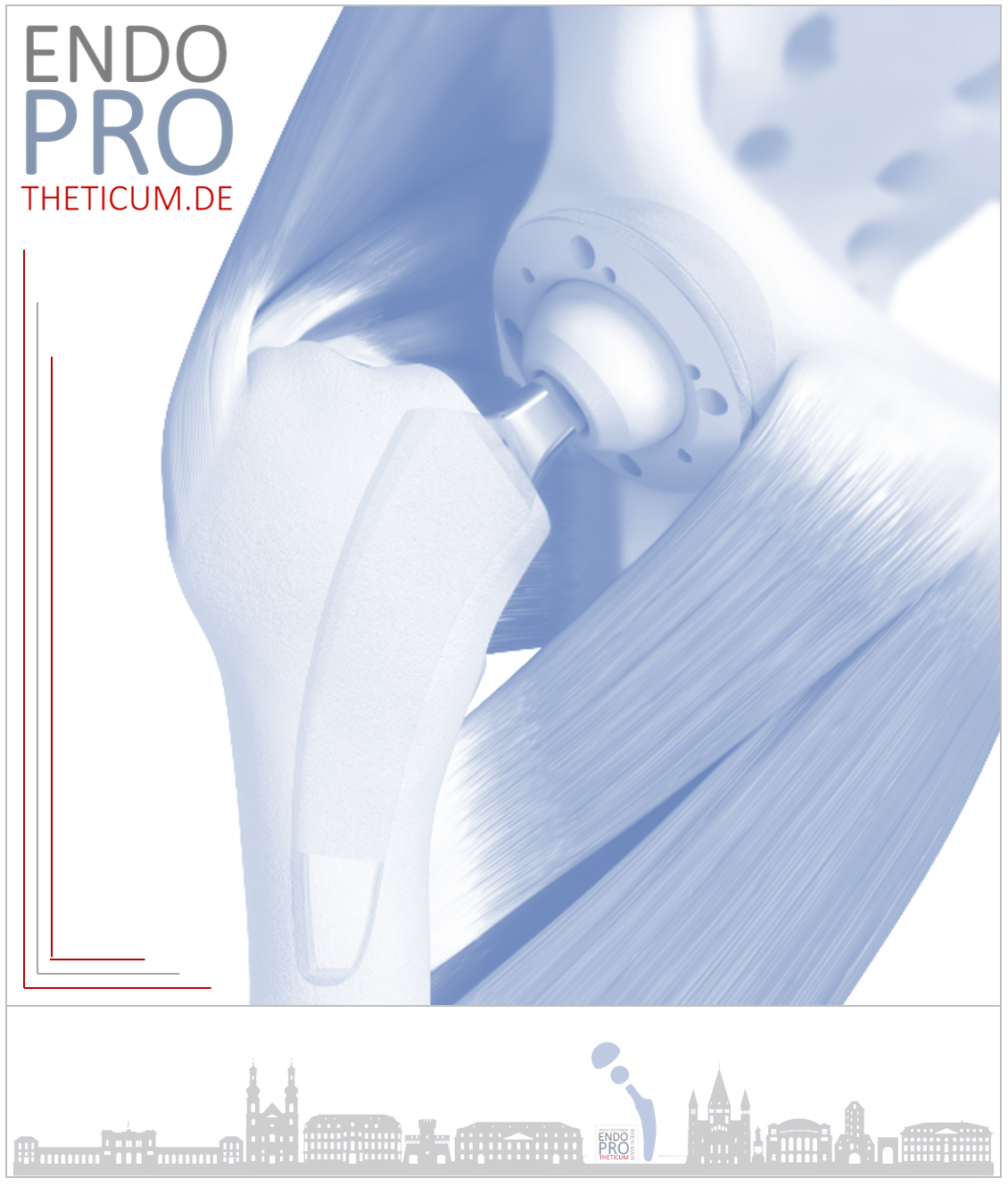
Short-stem hip prostheses are specialized hip implants characterized by their shortened stem. Unlike conventional hip prostheses, which have a long stem, short-stem prostheses are less invasive and require less bone for anchorage. This offers several advantages, particularly for younger and more active patients.
Advantages of short stem prosthesis in femoral head necrosis
Bone saving
A key advantage of short-stem prostheses is the significant preservation of bone. Because the prosthesis has a short stem, less bone is removed from the femur. This is particularly beneficial for younger patients or those who may require revision surgery in the future. Preserving bone can facilitate future operations and improve overall outcomes.
More natural movement pattern
The shorter stem length and design of short-stem prostheses help to enable a more natural movement pattern. This leads to improved proprioception and mobility. Patients often report a more natural feeling in the hip joint and a faster return to normal activities.
Minimal invasiveness
Short-stem prostheses can often be implanted using minimally invasive surgical techniques. This reduces trauma for the patient, resulting in shorter operating times and faster recovery periods. Less tissue damage also means less postoperative pain and faster rehabilitation.
Lower risk of complications
The use of short-stem prostheses can reduce the risk of complications such as periprosthetic fractures. These fractures occur more frequently with conventional long-stem prostheses, especially in older patients or those with poor bone quality. Short-stem prostheses offer more stable fixation and a more even distribution of load.
Suitability of the short stem prosthesis for different patient groups
Younger patients
Younger patients with avascular necrosis of the femoral head benefit particularly from short-stem prostheses. The ability to conserve bone material is invaluable for future revisions. Furthermore, faster rehabilitation allows for a swift return to an active lifestyle.
Older patients
Even older patients can benefit from the advantages of short-stem prostheses. The minimally invasive technique and reduced surgical trauma lead to faster recovery and fewer postoperative complications. This can significantly improve overall quality of life.
Patients with poor bone density
Patients whose bone structure is already compromised should, in cases of doubt, receive a cemented implant. Cemented short stems or standard stems are available for this purpose.
Case studies and clinical studies
Numerous clinical trials and case studies have confirmed the efficacy and safety of short-stem prostheses for avascular necrosis of the femoral head. One study reports a high satisfaction rate among patients who underwent short-stem prosthesis surgery. Most patients were able to return to their normal activities within a few weeks after the operation.
Another example is a long-term study that showed that short-stem prostheses not only enable rapid recovery but also represent a long-lasting solution. The 10-year survival rate of the prostheses was comparable to that of conventional straight-stem prostheses, but with significantly fewer complications and revisions.
Preparation and aftercare
Successful surgery with a short-stem prosthesis begins with thorough preparation. Patients should be fully informed about the procedure, the expected results, and the necessary postoperative measures. Targeted prehabilitation, strengthening the muscles, and optimizing overall physical condition can positively influence the healing process.
Structured rehabilitation is crucial after surgery. Physiotherapy helps improve mobility and strengthen muscles. Regular follow-up examinations ensure that the prosthesis is functioning correctly and that any complications are detected early.
Conclusion
Short-stem hip replacements can be an excellent choice for patients with avascular necrosis of the femoral head. Their advantages in terms of bone preservation, natural movement patterns, minimal invasiveness, and lower risk of complications make them an attractive option for both younger and older patients. With proper preparation and aftercare, patients can expect a significant improvement in their quality of life and a quick return to normal activities. The surgeon's experience with short-stem prostheses is the crucial factor for success.
MAKE AN APPOINTMENT?
You are welcome to make an appointment either by phone or online .

ENDOPROTHETICUM - The whole world of endoprosthetics