
Small prosthesis: less is often more!
The modern part of the knee in the focus: the sled prosthesis
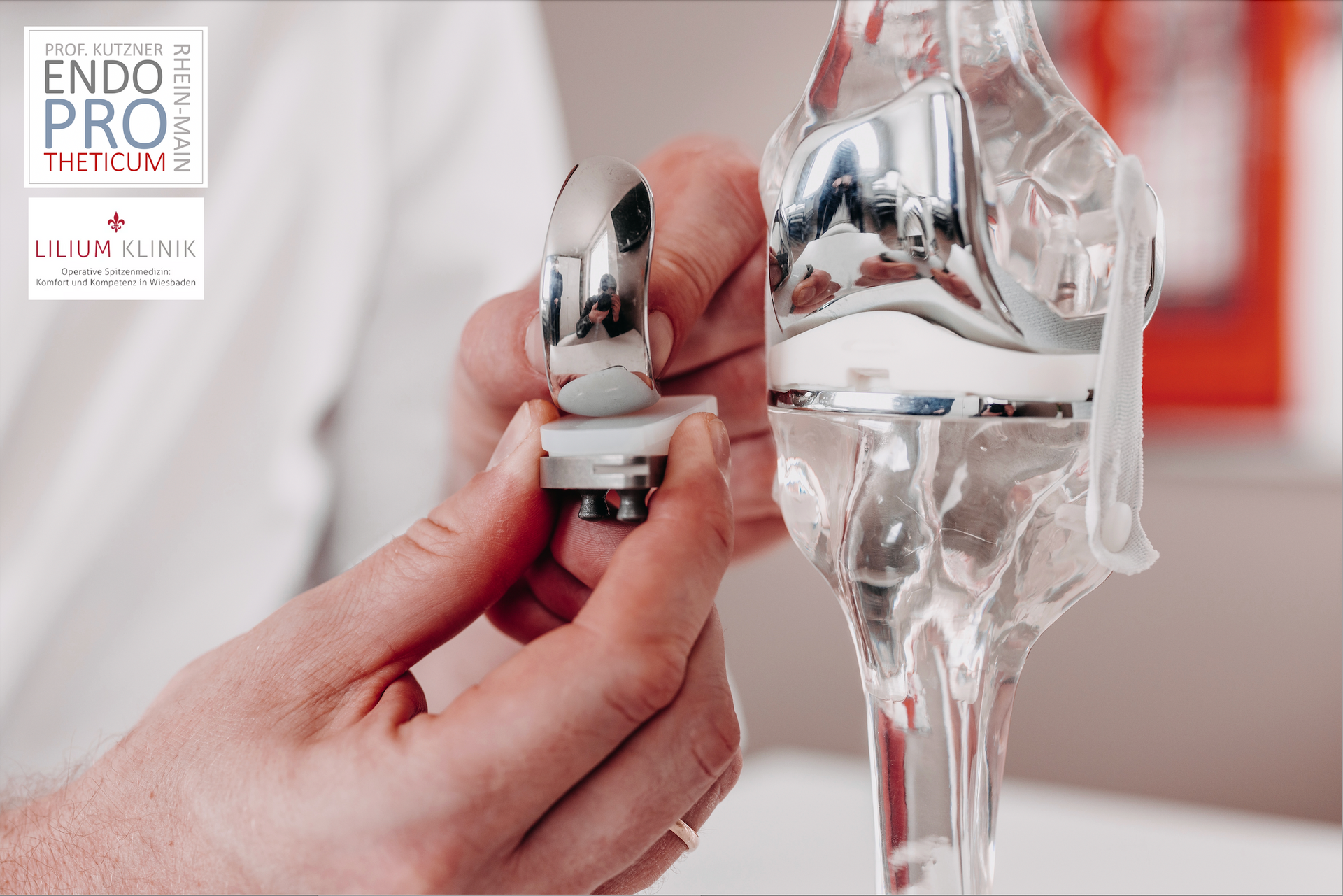
The partial knee replacement – also known as unicompartmental knee arthroplasty or unicompartmental knee replacement – is a modern and tissue-sparing solution for patients with isolated osteoarthritis of the knee joint. While many patients initially consider total knee replacement, the partial knee replacement offers a minimally invasive and functionally convincing alternative. This detailed article explains why, with partial knee replacement, less is often more. You will also learn how modern surgical techniques, new implant materials, and precise diagnostics lead to better results and faster rehabilitation.
The knee in focus – when every movement hurts
The knee joint is one of the most complex and heavily stressed joints in the human body. Millions of people suffer from osteoarthritis – a degenerative joint disease that leads to pain, restricted movement, and ultimately a significant loss of quality of life. While advanced osteoarthritis often necessitates total joint replacement, there is a much gentler alternative for certain patient groups: the unicompartmental knee replacement , also known as a partial replacement .
What is a sled prosthesis?
A partial knee replacement is a type of artificial knee joint in which only part of the joint is replaced – usually the inner or outer side (medial or lateral). Unlike a total knee replacement (TKR), in which all joint surfaces are replaced, a partial knee replacement leaves healthy structures such as the cruciate ligaments, collateral ligaments, and the unaffected joint compartment intact.
This procedure is particularly suitable for patients who suffer from osteoarthritis only on one side and whose remaining knee joint is intact. The reduced bone loss is also advantageous, simplifying future revision surgeries.
Structure of the sled prosthesis
- Metal components : The thigh and lower leg parts are usually made of high-quality titanium or cobalt-chromium.
- Plastic inlay (polyethylene) : Serves as a sliding surface between the two metal components.
- Fixation : Usually cemented, in individual cases cement-free is also possible.
Indications for a partial knee replacement
Not every patient with knee osteoarthritis is automatically a candidate for a partial knee replacement. The ideal conditions are:
- Isolated medial or lateral gonarthrosis
- Preservation of the anterior and posterior cruciate ligaments
- Intact lateral and medial compartments
- No significant axial misalignment or instability
- Good general health and motivation for rehabilitation
Precise imaging – ideally in the form of MRI or X-ray diagnostics with stress images – is essential to assess the extent of the cartilage damage and the integrity of the remaining joint structures.
When is a partial knee replacement suitable?
A partial knee replacement is particularly suitable for patients with:
- Isolated osteoarthritis : When only part of the knee joint is affected.
- Intact ligamentous apparatus : The anterior cruciate ligament in particular should be functional.
- Good bone substance : Sufficient bone density is necessary for anchoring the prosthesis.
- Active lifestyle : Patients who wish to remain active benefit from the mobility of the unicompartmental knee replacement.
Advantages of the partial knee replacement
1. Joint preservation
The unicompartmental knee replacement leaves large parts of the native knee joint intact, allowing for a more natural feeling of movement and physiological joint kinematics.
2. Less invasive
The surgical approach is smaller, less soft tissue is damaged, and blood loss is reduced.
3. Faster rehabilitation
Many patients are able to quickly put weight on the operated leg again and return to everyday life and work more quickly.
4. Improved auditing options
Because only part of the joint is replaced, more bone is preserved. Should further wear and tear occur over time, conversion to a total joint replacement is easier.
Surgical technique for partial knee replacement – precision is crucial
Implantation is usually performed minimally invasively using modern tools such as computer navigation or robot-assisted techniques. The correct axis and alignment of the components are crucial to achieving ideal biomechanics.
The affected compartment – medial or lateral – is smoothed, prepared, and fitted with a precisely fitting prosthesis. Cemented fixation is most common, but cementless designs are also available.
Material selection: Modern implants for maximum durability
Modern partial knee replacements consist of highly cross-linked polyethylene inlays combined with titanium or cobalt-chromium components. The bearing surfaces are extremely wear-resistant, which has significantly extended the lifespan of the prostheses. Long-term studies show lifespans of over 15 years with high patient satisfaction.
Postoperative care and rehabilitation with a partial knee replacement
Mobilization with forearm crutches is possible as early as the day of surgery. Full weight-bearing is usually permitted immediately or after a few days, depending on the surgical technique. Early physiotherapy aims to quickly restore mobility, muscle strength, and coordination.
Rehabilitation typically lasts 3–4 weeks and can be inpatient or outpatient. The goal is to return to everyday life, work, and leisure activities as soon as possible.
Comparison between partial knee replacement and total knee replacement (TKR)
A key factor in deciding for or against a partial knee replacement is the comparison with a total knee replacement (TKR). Both procedures are used to treat osteoarthritis, but differ fundamentally in terms of indications, surgical complexity, recovery time, and long-term outcomes.
Anatomical differences
A total knee replacement replaces the entire articular surface of the knee joint – on both the femoral and tibial sides. A partial knee replacement, on the other hand, is limited to one of the three joint compartments (usually the medial compartment), while the remaining joint structures – in particular the cruciate ligaments, lateral compartment, and patella – are preserved.
Extent of surgery
The surgery to implant a partial knee replacement is significantly less invasive, as only part of the joint is replaced. It is often performed minimally invasively, with smaller incisions, less soft tissue damage, and a considerably reduced risk of bleeding. The procedure is therefore often shorter, less risky, and better tolerated by the patient.
Functionality and sense of movement
Because the natural ligaments and bone structures are preserved during a partial knee replacement, many patients perceive their knee as feeling more "natural" after the operation. Proprioceptive feedback is better, and the gait pattern is more physiological. In contrast, a total knee replacement offers more comprehensive treatment for advanced osteoarthritis, but is associated with a more artificial feeling of movement.
Rehabilitation duration
Rehabilitation after a partial knee replacement is usually faster and easier. Patients less frequently require longer rehabilitation stays and regain their full weight-bearing capacity sooner. Climbing stairs and participating in sports activities are also generally easier and quicker.
Complication rate
Statistically, the complication rate – particularly infections and thrombosis – is lower with a partial knee replacement. Revision surgeries are also easier to perform because less bone is removed. In contrast, revision surgery for a total knee replacement is technically more complex.
Long-term indications
Total knee replacement (TKR) is indicated in cases where tricompartmental osteoarthritis or ligament instability is already present. In contrast, partial knee replacement is the preferred procedure for localized osteoarthritis – not least because of the potential possibility of later switching to a TKR if necessary.
When is a total endoprosthesis the better choice?
A partial knee replacement is not always sufficient. In cases of advanced osteoarthritis affecting multiple compartments, instability, or ligament injuries, a total knee replacement is more appropriate. A total knee replacement is also the better option in cases of underlying inflammatory rheumatic diseases or complex malalignment.
Sports and activity after partial knee replacement
Many patients can actively participate in life again after surgery. Particularly joint-friendly sports such as hiking, swimming, cycling, or Nordic walking are easily possible. Golf or cross-country skiing can also be practiced – after individual consultation. Highly dynamic or joint-stressing sports such as jogging or tennis should be approached with caution.
Risks and complications of a partial knee replacement – what you should know
Although it is a relatively gentle procedure, a partial knee replacement is also a surgical intervention with certain risks:
- Loosening of the prosthesis (rare, due to overloading)
- Progression of osteoarthritis in other compartments
- Pain due to incorrect positioning
- Infections (very rare under aseptic conditions)
Long-term results and durability of the partial knee replacement
Current studies show that modern partial knee replacements have a survival rate of over 90% after 10–15 years . The correct patient selection and precise surgical technique are crucial.
Contrary to earlier assumptions, modern partial knee replacements now show very good long-term results. Technological advances, improved materials, and more precise surgical techniques contribute significantly to their extended lifespan.
Durability in years
Modern partial dentures achieve lifespans of 15 years and more. Studies show that over 90% of implanted partial dentures are still fully functional after 10 years. With correct indication and precise implantation, survival rates of over 95% after ten years are not uncommon.
Factors influencing durability
- Indication : Precise patient selection is crucial. Unicompartmental knee replacements are particularly suitable for isolated medial gonarthrosis.
- Surgical experience : High case numbers and the surgeon's expertise are important quality factors.
- Body weight and activity level : Patients with a high BMI or extreme stress on the knee joint statistically have a slightly higher revision rate.
- Implant design : Modern partial dentures are modular, anatomically shaped and equipped with highly abrasion-resistant bearing surfaces, which increases their lifespan.
Revision options
A major advantage of partial knee replacement is that, in the event of failure, a complex revision surgery is not immediately necessary. In most cases, partial knee replacement can be converted into a standard total knee replacement without the need for additional specialized implants.
Patient satisfaction
Patients who have received a partial knee replacement often report high satisfaction, a quick return to everyday activities, and the ability to resume athletic activity. Especially in younger patients, the subjective feeling of movement is usually better than after a total knee replacement.
Conclusion: The unicompartmental knee replacement as a modern solution for selected patients
Partial knee replacement with a unicompartmental knee arthroplasty (unicompartmental knee replacement) represents a minimally invasive and practical solution for many patients with unilateral knee osteoarthritis. Thanks to modern surgical techniques, precise diagnostics, and high-quality materials, the natural joint sensation can often be preserved or restored. Precise patient selection and close follow-up care are essential for success.
FAQs about the sled prosthesis:
What is the difference between a partial knee replacement and a total knee replacement? With a partial knee replacement, only part of the knee joint is replaced, while with a total knee replacement, the entire joint is replaced.
How long does a partial knee replacement last? On average, it lasts 15–20 years – depending on the stress placed on it and the type of implant.
When can I resume sports after the surgery? Gentle sports such as cycling or swimming are often possible again after a few weeks.
Can I go hiking with a partial knee replacement? Yes, hiking is one of the recommended activities after surgery.
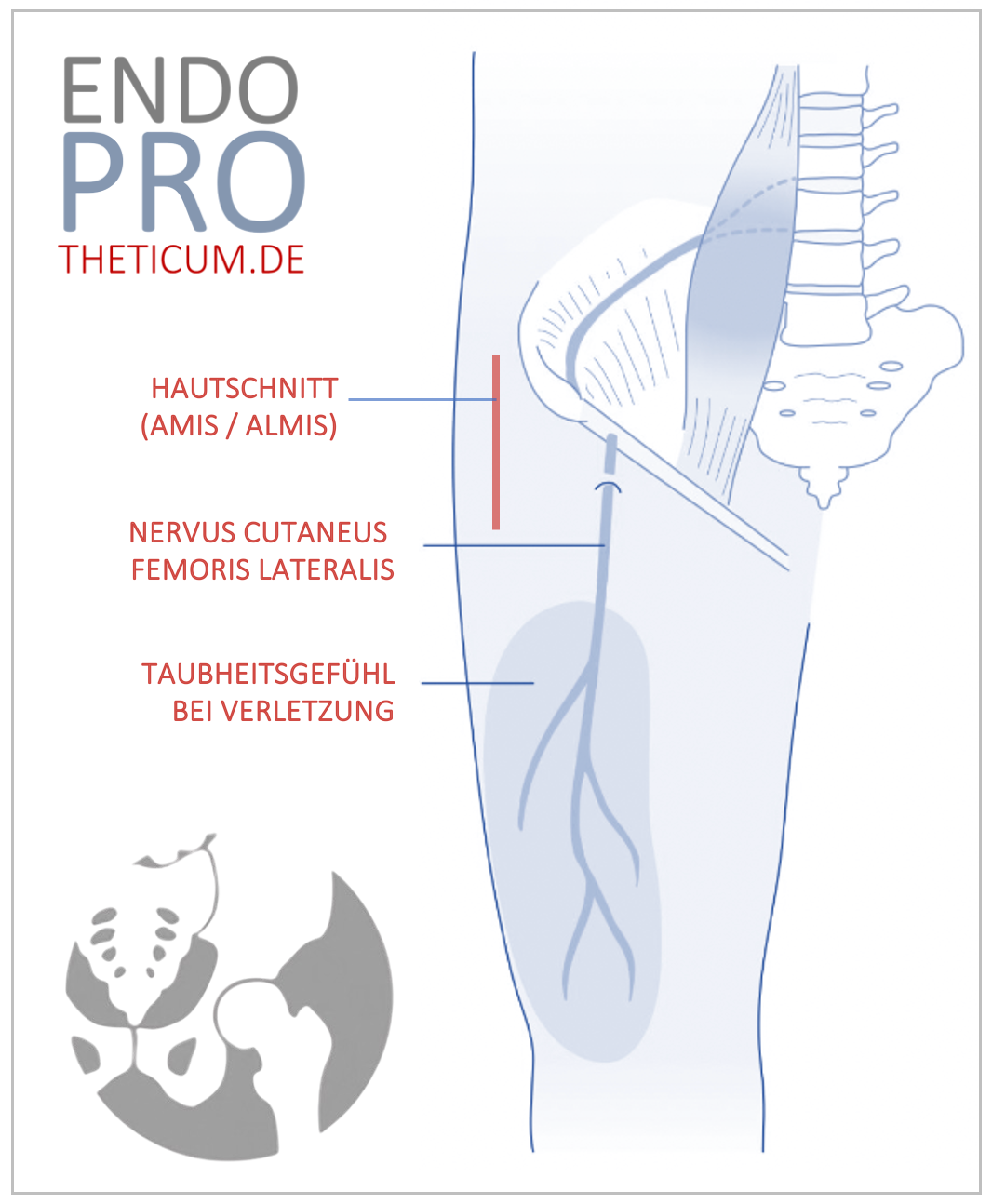
How large is the scar? Usually, a minimally invasive incision of approximately 8–10 cm is sufficient.
Are there risks? As with any surgery, there are risks such as infections, thrombosis, or loosening of the prosthesis – however, these are rare.
MAKE AN APPOINTMENT?
You are welcome to make an appointment either by phone or online .


ENDOPROTHETICUM - The whole world of endoprosthetics