
Golden rules according to Hip-Tep-why they are mostly unnecessary today
Do the same rules of conduct be apply to all patients as before?

Hip replacement and the fear of incorrect movements
A total hip replacement (THR) is a major step for patients who have suffered from hip pain for a long time. Traditionally, numerous rules of conduct were communicated after the operation: "Do not cross your legs," "Do not sit low," "Only sit on high chairs," "Under no circumstances bend your hip beyond 90 degrees."
These precautions had one goal: to protect the new hip, especially from dislocation.
But is this caution still justified today?
In this article, we examine why many of these "golden rules" are now largely obsolete due to advances in hip replacement surgery.
The revolution in modern hip replacement surgery
Progress over the last 15 years
The last 15 years have fundamentally changed hip surgery.
Key innovations include:
- Minimally invasive approaches : protect the muscles, faster healing.
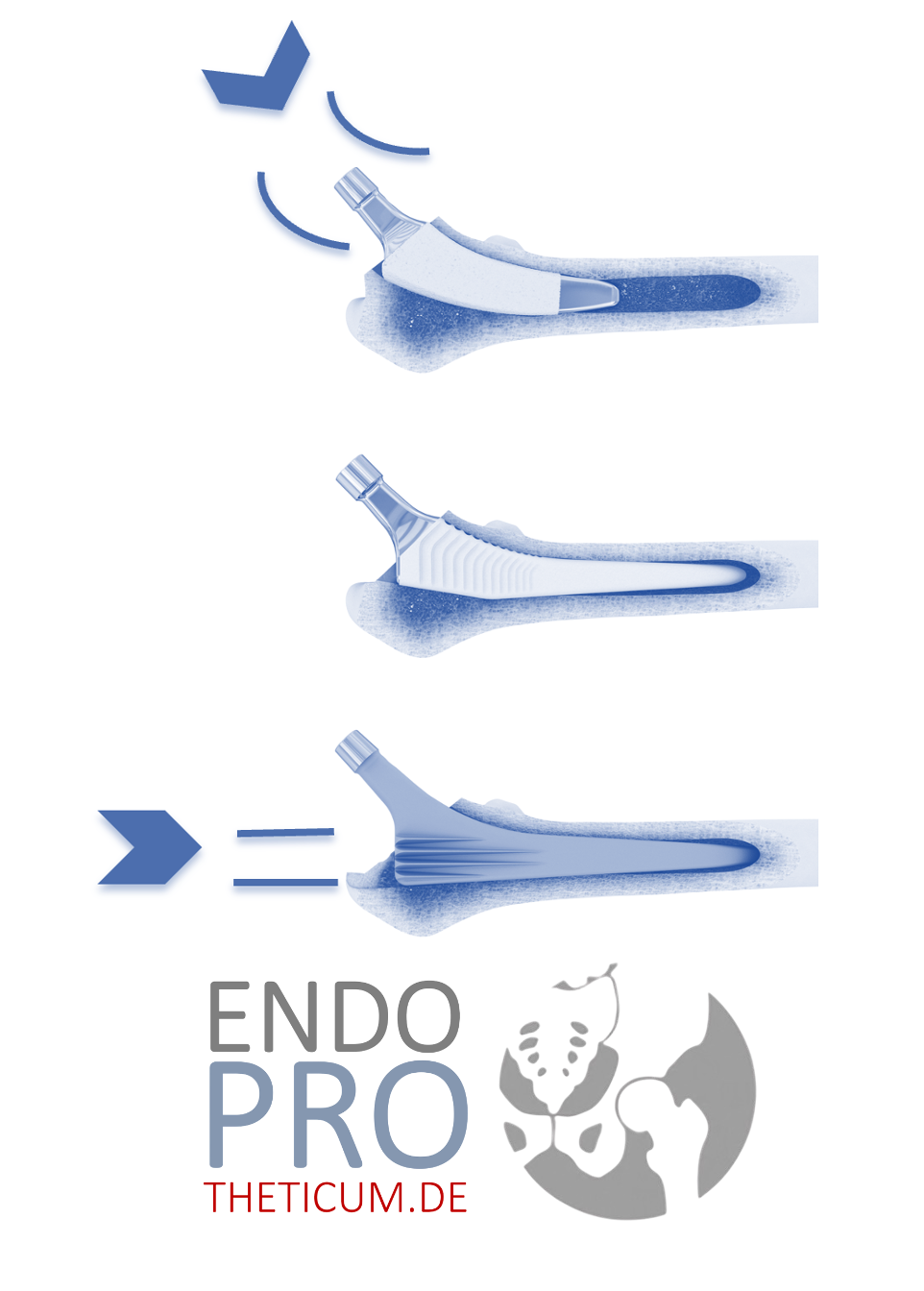
- Short stem prostheses : More physiological movement patterns, less bone loss.
- Abrasion-resistant sliding pairings : Modern materials such as ceramic/ceramic or highly cross-linked polyethylene.
- Improved implant designs : Optimized geometry, improved luxation resistance.
- Faster rehabilitation (fast-track programs) : Early mobilization on the day of surgery.
These innovations mean that patients today receive more stable, resilient hip prostheses and can return to a normal life much sooner.
Modern hip replacement surgery: Key innovations in detail
Minimally invasive approaches
- Direct anterior approach : No cutting of muscles.
- Anterolateral approach : Very stable, low dislocation rate.
Advantages:
- Faster healing
- Minor scars
- Lower risk of dislocation
Modern implants
Short-stem prostheses
- Shorter anchorage in the femur.
- Maintain the natural movement pattern.
Abrasion-resistant sliding pairings
- Ceramic/ceramic or ceramic/highly cross-linked polyethylene.
- Reduced risk of wear and loosening.
Why movement is more important than restriction today
Previously:
Months of restrictions due to fear of dislocation.
Today:
- Exercise promotes healing through improved blood circulation.
- Muscles stabilize the hip faster.
- Psychological benefits: Patients feel safe again more quickly.
The classic golden rules after hip replacement – and why they are (mostly) outdated today
Below we list the classic rules and explain why they are no longer necessary in many cases today.
Rule 1: "Never cross your legs!"
Previously:
Crossing your legs was considered an absolute taboo, as a twisting of the hip could cause a dislocation.
Today:
Thanks to improved prosthesis geometry, anatomical reconstruction of the offset, and more stable bearing surfaces, the risk is minimal.
Prerequisite: The surgery was performed correctly, and the soft tissue management is proper.
Conclusion:
In most cases, carefully crossing the legs is quickly possible again – however, caution is still advised in the first few days.
Rule 2: "Don't sit low or on low chairs!"
Previously:
Low chairs were considered dangerous because the strong bending of the hip (>90°) could destabilize the prosthesis.
Today:
Minimally invasive techniques preserve the natural muscle and capsule structure. Short-stem prostheses also allow for deeper flexion without significant risk.
Conclusion:
Sitting on normal chairs is generally possible without problems, as long as you move in a controlled manner.
Rule 3: "Only sleep on your back!"
Previously:
Sleeping on your side was avoided because it could promote dislocation through rotational movements.
Today:
With modern prostheses, sleeping on your side is usually allowed again after a short healing period – possibly with a pillow between your knees.
Conclusion:
Patients can resume their usual sleeping position after a few days.
Rule 4: "Do not bend your hips beyond 90 degrees!"
Previously:
Flexion above 90° was considered dangerous.
Today:
Anatomically correct reconstruction of the hip joint (offset, tilt, femoral neck length) makes significantly greater mobility possible.
Conclusion:
Bending over 90 degrees is possible in the short and medium term – in a controlled and careful manner.
Modern strategies in hip arthroplasty: Protection without restriction
Anatomically correct reconstruction
Perfect restoration of offset , leg length , and center of rotation drastically reduces the dislocation rate.
Minimally invasive surgical techniques
Approaches such as the anterior or anterolateral approach do not damage important muscle groups – joint stability is preserved.
Better implant choice
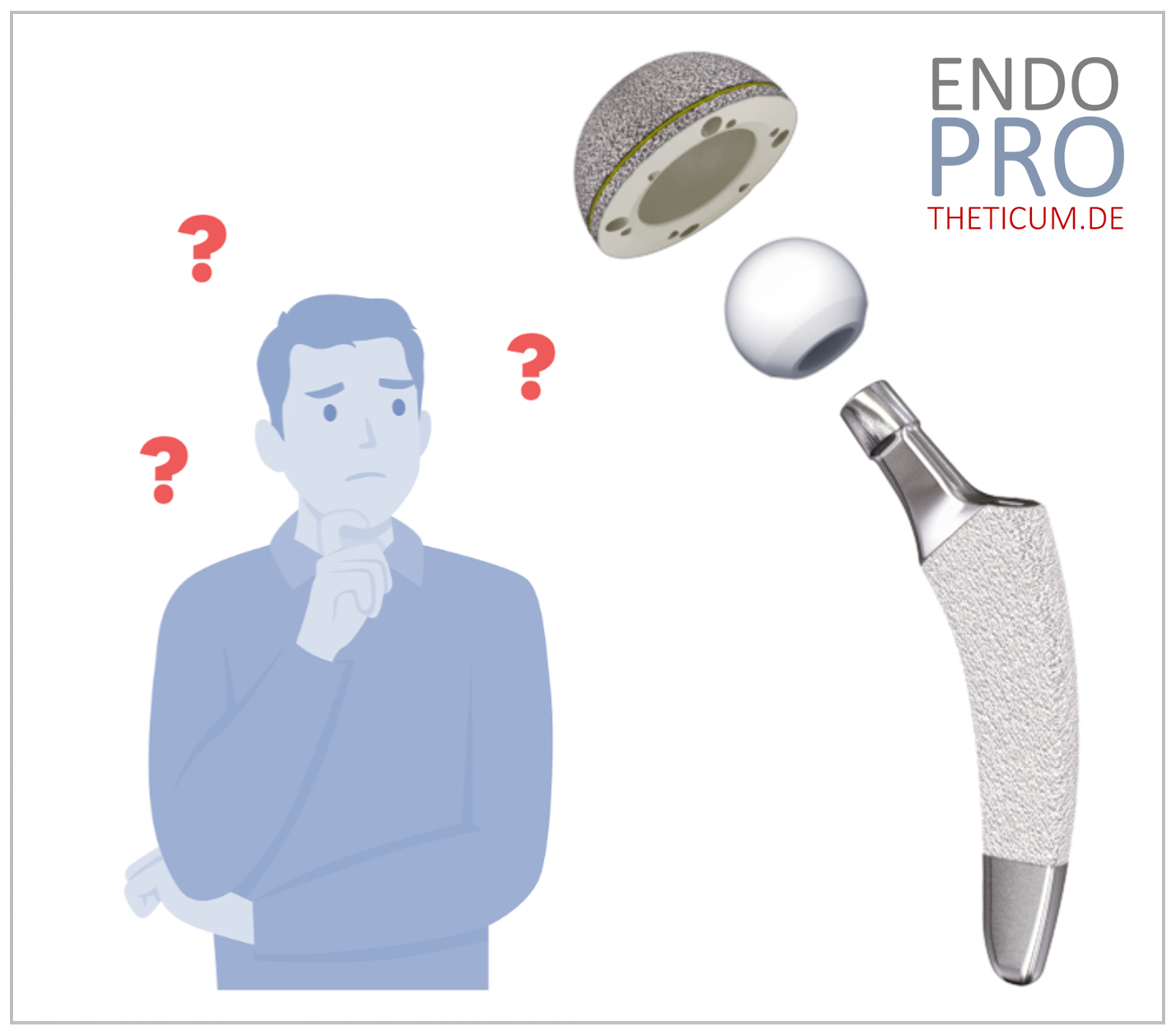
- Double-clutch prostheses or large heads increase dislocation resistance.
- Short stem prostheses offer biomechanical advantages for natural movement patterns.
Why individual therapy plans after hip replacement (total hip arthroplasty) are better than rigid rules
Criteria-based rehabilitation
In contrast to general time guidelines, modern endoprosthetics relies on individual criteria:
- Hip stability
- Pain relief
- Range of motion
- Muscle power
Exercise is important!
Early movement protects the prosthesis and improves muscle development – rigid restrictions are counterproductive.
Detailed discussion of the classic rules after hip replacement
1. Crossing your legs after hip replacement – dangerous or harmless?
What happens when you cross your legs?
Crossing your legs causes internal rotation and adduction (bringing the hip joint closer together). Previously, this could dislocate an unstable hip replacement.
Why is it no longer a big problem today?
- Improved implant positioning thanks to modern short-stem prostheses, navigation and robotics.
- More stable prostheses with large ball heads (e.g. 36mm–40mm diameter).
- Preservation of soft tissue structure through muscle-sparing techniques.
Testimonial:
"I practiced gentle leg crossovers right from the start after my surgery – without any problems!" (Patient, 68 years old)
Recommendation:
- Be careful for the first 1-2 weeks.
- Then try it out in a controlled manner – usually completely harmless!
2. Deep sitting after hip replacement – risk or new normal?
Problem:
When sitting in a low position, the angle of hip flexion increases. Previously, the critical point was considered to be 90 degrees.
What has changed?
- Short stem prostheses allow for larger flexion angles.
- Muscle-sparing approaches and stable capsular suture during the operation.
Testimonial:
"I was able to sit on my normal couch after just five days – no problem!" (Patient, 72 years old)
Recommendation:
- Low chairs are usually allowed from the start.
- Important: Slow, controlled movements when sitting down and standing up.
3. Sleeping positions after hip replacement – back, side or stomach?
Previously:
Only lying on your back – absolutely no turning over during the night!
Today:
- More stable joints through improved designs.
- Early mobilization trains the muscles.
Patient testimonial:
"After two nights mostly sleeping on my back, I was already able to sleep on my side – with a pillow between my knees." (Patient, 63 years old)
Recommendation:
- Lying on your back is not absolutely necessary.
- Sleeping on your side is usually possible - try it out.
Golden rules after hip replacement: Myth vs. reality
1. Avoid sitting – for as long as possible
Myth:
Previously, it was recommended to avoid or severely restrict sitting after a total hip replacement. It was often advised to sit only in high chairs or not at all for weeks to minimize the risk of dislocation.
Reality: permitted
in the vast majority of cases
. Modern surgical techniques such as minimally invasive approaches, improved implants, and optimized prosthesis positioning allow for early mobilization. Patients should and may sit as early as the first day after surgery, which promotes recovery and prevents thrombosis.
2. Only sleep on your back – side sleeping is forbidden
Myth:
Patients were previously advised to sleep exclusively on their backs for weeks. Sleeping on their side was considered dangerous because it could theoretically destabilize the artificial joint.
Reality:
Thanks to the stable anchoring of modern hip prostheses,
side sleeping is usually possible immediately after surgery . Many doctors recommend placing a pillow between the knees to stabilize the position. However, there are no longer any long-term limitations. Side sleeping even improves sleep quality and overall well-being, which in turn promotes healing.
3. Sport is taboo – at least a 3 to 6 month break
Myth:
In the past, it was strongly advised against becoming physically active too soon. Patients were told to rest for months or even years to protect their artificial joint.
Reality:
Exercise is expressly encouraged from about 6 weeks post-surgery , depending on individual healing and in consultation with the doctor. Activities such as swimming, cycling, Nordic walking, or gentle strength training strengthen the muscles, improve joint stability, and contribute to the longevity of the hip prosthesis. Particularly important: Physical activity promotes quality of life and the return to everyday life.
4. Don't bend over – dangerous for the prosthesis
Myth:
Patients with a total hip replacement were previously strictly forbidden from bending over. There was a fear that certain movements (for example, sharp bending of the hip) could lead to dislocation.
Reality:
Bending over is usually possible again without problems after just a few days . In the first few days, you should still be a little careful and use aids such as grabbers. But once the wound has healed and the muscles have strengthened, there are no longer any fundamental limitations. The body adapts to the new biomechanics of the hip prosthesis, and normal movements like bending over become part of everyday life again.
5. Driving only allowed after 6 weeks
Myth:
In the past, patients were advised not to drive again for at least six weeks to ensure they had enough strength and reaction time.
Reality:
Driving is possible today as soon as crutches are no longer used and braking is reliable . Crucially, the patient must be sufficiently pain-free to brake quickly in an emergency. Mobility and coordination must also be adequate. Often, a short test drive under controlled conditions is conducted before resuming driving.
6. Inpatient rehabilitation is essential after hip replacement surgery
Myth:
After hip replacement surgery, inpatient rehabilitation in a rehabilitation clinic was considered mandatory. Patients often had to spend several weeks in a clinic, far from home.
Reality:
Inpatient rehabilitation is no longer absolutely necessary . Thanks to individualized, outpatient rehabilitation programs – such as those offered at the Endoprotherapeuticum Mainz – patients can arrange their aftercare closer to home and with greater flexibility. Rehabilitation is no longer rigidly time-bound, but rather
criteria-based : its duration and intensity are determined by the individual's healing progress. Modern outpatient programs offer physiotherapy, medical training therapy, and close medical supervision of the highest standard.
Potential exceptions: When are old rules still relevant after hip replacement?
Complex primary procedures
- Severely deformed joints
- Congenital dysplasia
Revision surgeries
- Revision surgeries following loosening or infection
In these cases, a temporary restriction may actually be useful.
Summary: Life without constant fear
- Modern hip replacement patients can now live faster and more freely.
- Most of the old rules are no longer necessary.
- Individual support is crucial.
Golden rule after hip replacement in 2025:
Trust your body – and your surgeon.
FAQ: Frequently asked questions about behavioral guidelines after hip replacement
- How long does it take to heal after a hip replacement?
Initial stability after a few days, complete healing approximately 8-10 weeks. - When can I resume sports after hip replacement?
It depends on the sport – swimming or cycling often after 6 weeks, contact sports later. - Do I need to be especially careful in everyday life?
Some caution is advised in the first few weeks, after which normal movement with common sense is sufficient.
How quickly can I walk normally again after hip replacement?
👉 Usually possible within 10-20 days without walking aids.
Do I have to be careful for the rest of my life?
👉 No. After recovery is complete (6–12 months), most patients can lead a completely normal life.
When can I drive again?
👉 As soon as your reaction time has recovered, in some cases after just 2–4 weeks.
Can the hip prosthesis slip out?
👉 With modern implants and techniques, the risk is extremely low.
How long does a modern hip prosthesis last?
👉 20–30 years or longer – thanks to better materials and techniques.
Which sports are allowed after hip replacement?
👉 Swimming, cycling, hiking, cross-country skiing, golf, gymnastics – and in individual cases, all other sports as well!
Conclusion: Today, hip replacement surgery usually no longer requires rigid rules!
The old "golden rules" after a hip replacement are largely a thing of the past.
Thanks to minimally invasive techniques, modern prostheses, and individualized aftercare, patients can return to an independent life much faster. Fear of movement? Mostly unnecessary!
MAKE AN APPOINTMENT?
You are welcome to make an appointment either by phone or online .


ENDOPROTHETICUM - The whole world of endoprosthetics